
Prescribed Pride
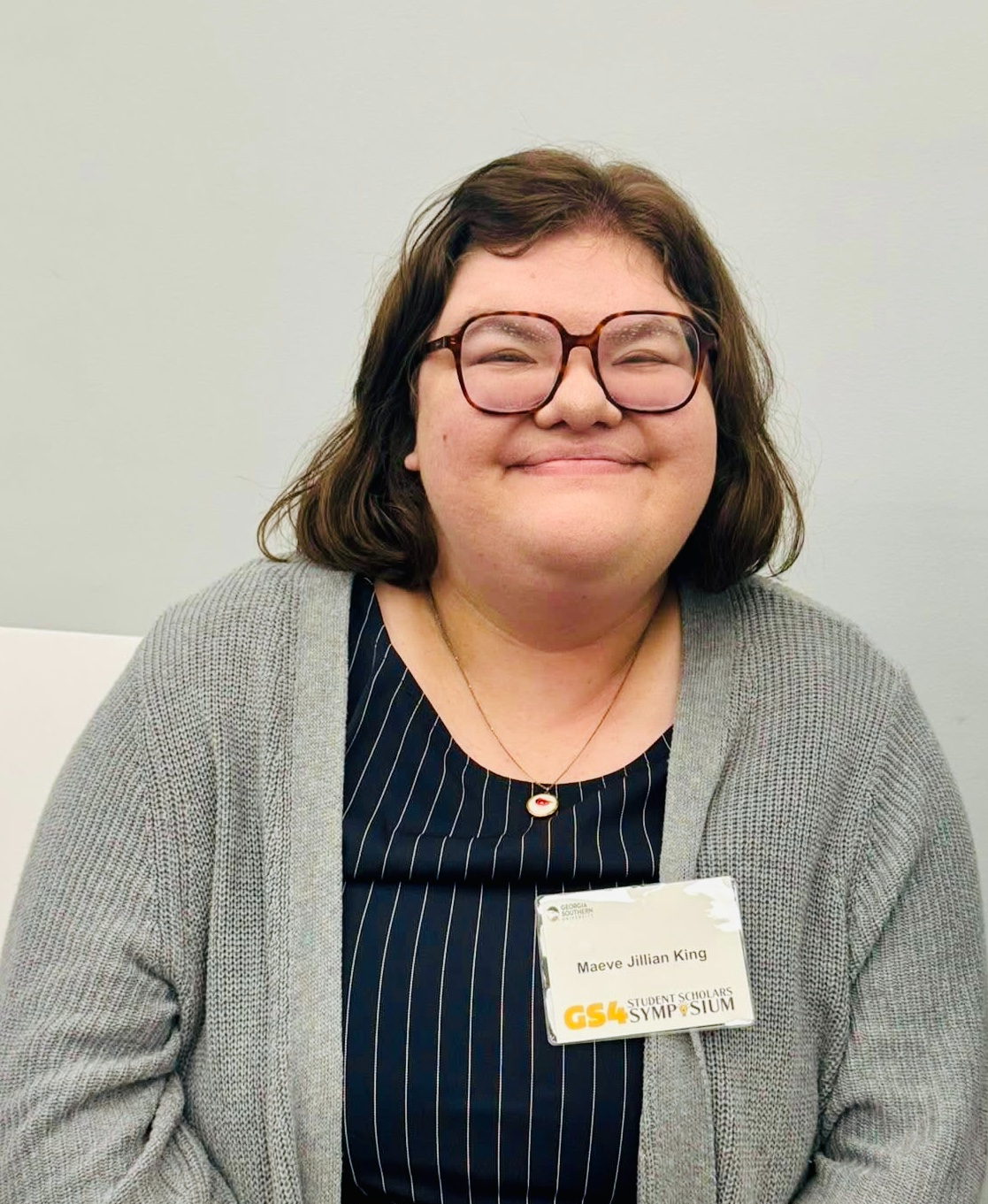
Written by: Hear/SAY contributor Maeve Jillian King (they/them), a graduate student in an MSW program, having earned a master's in social sciences and a bachelor's in psychology.

I was honored to attend my local Lavender Graduation as I completed my master's degree this May. I was able to connect with my fellow GSA members, and I was relieved to be at graduation after collective action was demanded at our intolerant university. I also reconnected with other community members and a couple of their kids. There are lots of discussions around whether kids should be exposed to the LGBTQ+ community, and this only creates shame for youth navigating their identity. One parent volunteered to take photos and brought her nonbinary child, who looked enamored by the lavender decorations and community members to look up to.
“Y’all are walking so they can run,” this mother told us, her voice thick with pride, as she held her child tightly at her side.
Such sentiments always bring tears to my eyes, and I am grateful to work to organize events honoring the LGBTQ+ community members who have completed such an achievement. I was unable to connect with my local pride until I was in college, and I’m sure being connected sooner would have made my mental health journey smoother. Resilience leads to better mental health, and communities like these will believe in you until you can believe in yourself.
Many may question the legitimacy of Pride Month, arguing that it is unnecessary. Very often, they are unfamiliar with the pressing issues facing our community, as well as the support and joy found within it. One such issue is rising psychological distress and mental health of members of the LGBTQ+ community. This is especially true for queer youth.
Without Shame
It’s important to note that while minority stress (anxiety surrounding discrimination) may play a significant factor in mental health crises. 90% of LGBTQ+ youth said their well-being was negatively impacted by recent politics (Trevor Project, 2024). However, no one reason is at fault, but LGBTQ+ identities are especially not at fault for rising mental health concerns. Divulvio (2011) even emphasizes that when addressing mental health struggles faced by LGBTQ+ youth, one must understand our community as a cultural one without shame.
While this can apply to mental health professionals, it’s important for parents and loved ones to also approach LGBTQ+ youths’ identities without shame. Familial and community support are especially important considering inaccessible healthcare, with 50% of queer youth who wanted mental healthcare not able to get it (Trevor Project, 2024). As a parent or loved one of a young member of the LGBTQ+ community, providing stability and assurance while they navigate their identity and/or mental health concerns is paramount.
Instability, especially for those in the transgender community, is significant, with 45% of transgender and nonbinary youth saying their families have considered moving to another state due to anti-trans state policies (Trevor Project, 2024).
From Isolation to Collective Action
These are daunting numbers, but they are not the end of the conversation whatsoever. Researchers find that social support and community connection can help address these concerns. Youth emphasize that the importance of connection and validation of their identities can transform isolated struggles into collective social action (DiFulvio, 2011). Moving forward with a hopeful statistic from the Trevor Project (2024)
“LGBTQ+ youth who reported living in very accepting communities attempted suicide at less than half the rate of those who reported living in very unaccepting communities.”
This emphasizes the positive impact of embracing LGBTQ+ youth rather than alienating them. Luckily, the LGBTQ+ community is very intentional in its organizing and deeply attuned to the concerns previously addressed.
Organizations focused on the queer community can provide authentic care that prioritizes community connection and resilience. One framework used within pride organizations, whether regional or school Gay Straight Alliances, is peer support (Porta et al., 2017). Peer support refers to mutual support offered by someone with shared lived experience and/or shared cultural identities. These community connections not only empower LGBTQ+ youth to embrace collective identities but also mediate mental health struggles (DiFulvio, 2011).
Intergenerational Support
Such values, once again, come from generations of LGBTQ+ advocates. I am beyond grateful for the LGBTQ+ elders I have and am honored to serve as an elder for my younger community members. I have been able to see some of the community connections local youth are working towards. At last year’s Pride, a high schooler introduced himself to me, asking for advice since he was starting a mental health club at school. Additionally, my successors with GSA display such promise as the organization continues to fight for their right to tolerance. Such intergenerational kinship positively impacts mental health for both older adults and youth. This is emphasized within the LGBTQ+ community, finding empowerment in seeing the ongoing resilience (Adrian et al., 2025).
Where to Start
With all of this in mind, here are a few recommendations for empowering LGBTQ+ youth:
Validate and respect identities and/or pronouns, and name changes.
Connect with your local Pride organization, school, or otherwise. If there is not one, seek online peer support groups.
References:
Adrian, C. W., Massey, S. G., Haager, J. B., and Young, S. R. (2025). “You Folks are the Ones That are Going to Carry on”: Conducting Cross-Generational Oral Histories About the HIV/AIDS Crisis. The Oral History Review, 52(2), 381-414.
DiFulvio, G. T. (2011). Sexual minority youth, social connection, and resilience: From personal struggle to collective identity. Social Science & Medicine, 72, 1611-1617. https://doi.org/10.1016/j.socscimed.2011.02.045
Lavender Graduation Legacy Project. (2026).https://lavendergraduationlegacyproject.org/
Porta, C. M., Singer, E., Mehus, C.J., Gower, A.L., Saewyc, E., Fredkove, W., Eisenberg, M.E. (2017). LGBTQ youth’s views on gay-straight alliances: building community, providing gateways, and representing safety and support. Journal of School Health, 87(7), 489–497. https://doi.org/10.1111/josh.12520
The Trevor Project. (2024). 2024 U.S. National Survey on the Mental Health of LGBTQ+ Young People. https:// www.thetrevorproject.org/survey-2024/


Comments